
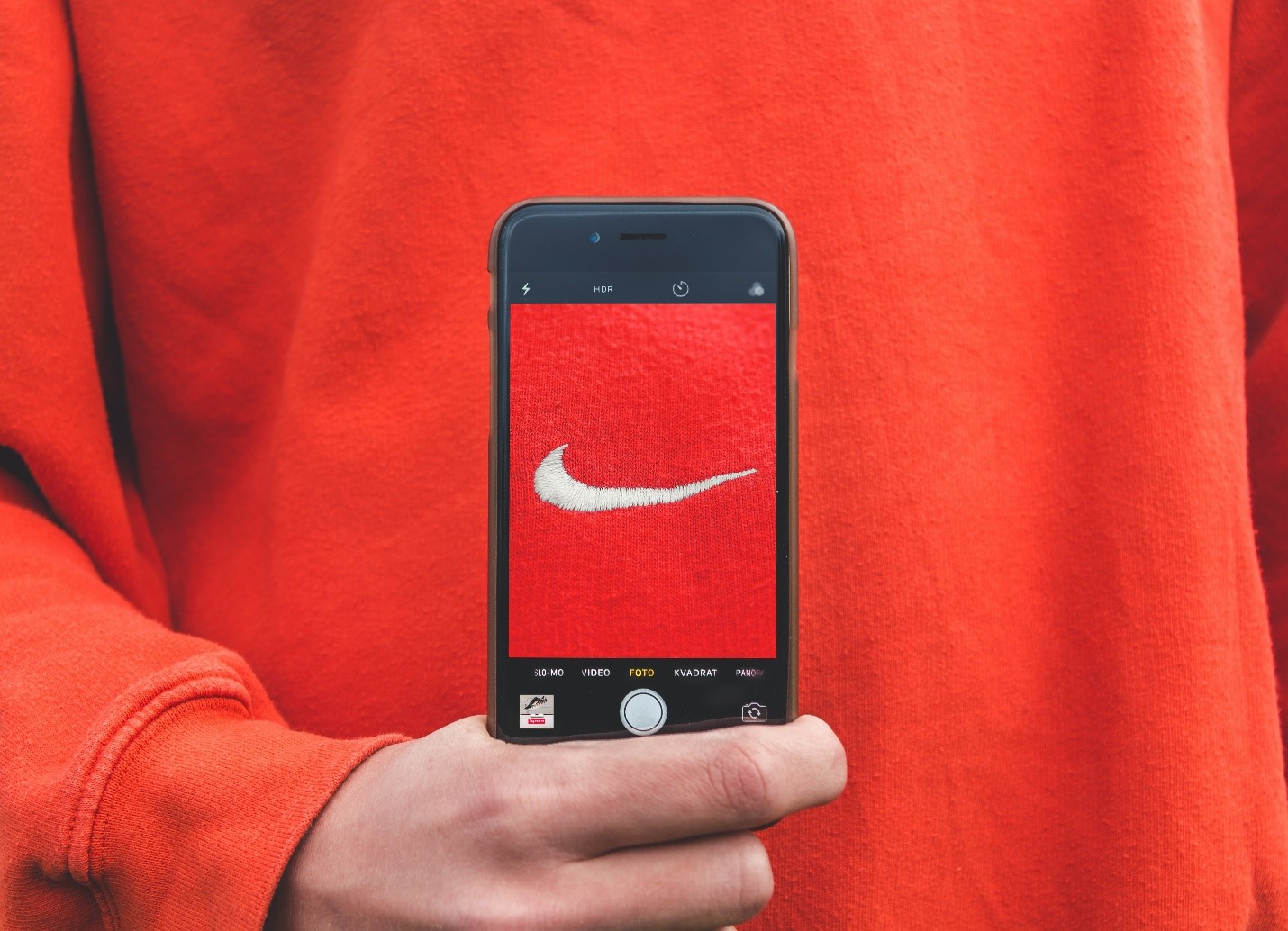
A trademark serves as a source identifier, distinguishing your goods or services from those of competitors while embodying the reputation, quality, and trust you've built with consumers. Traditionally encompassing names, logos, slogans, and sometimes distinctive packaging or sounds, trademarks have undergone a radical transformation in their scope and vulnerability.
Today, your trademark exists simultaneously across Instagram feeds, TikTok videos, X threads, e-commerce platforms, virtual reality spaces, and emerging metaverse environments. This digital proliferation creates unprecedented opportunities for brand engagement but also exposes trademarks to threats that move at viral speed across global borders.
Table of Contents
- The Social Media Threats to Your Brand
- Platform-Specific Challenges and Enforcement Complexities
- Immediate Response: Utilizing DMCA Takedowns for Trademark Protection
- Building Fortifications: Strategic Registration in the EU and Canada
- How Pellonia Help You Protect Your Trademark
- Frequently Asked Questions (FAQ)
The Social Media Threats to Your Brand
Social media has democratized brand interaction while creating a breeding ground for trademark infringement that operates on an unprecedented scale and velocity. Unlike traditional infringement that might unfold gradually through physical product distribution or localized advertising, social media violations can reach millions of users within minutes, causing immediate and potentially irreversible damage to brand equity, consumer trust, and market position.
Common Social Media Trademark Threats:
- Username Squatting: Individuals or competitors registering your brand name as social media handles before you do
- Impersonation Accounts: Fake profiles pretending to be your brand for scams or misleading content
- Unauthorized Brand Use: Influencers or users incorporating your trademarks without permission in monetized content
- Hashtag Hijacking: Using your branded hashtags to promote unrelated or competitive products
- Visual Misappropriation: Altering your logos or product images in memes or misleading advertisements
- Sound Mark Infringement: Unauthorized use of distinctive brand sounds or jingles in videos
The landmark case of Hermès v. Rothschild illustrates how traditional trademark principles extend into digital spaces. The court's finding that MetaBirkins NFTs infringed Hermès' trademark rights established that virtual assets and digital representations aren't exempt from protection, setting a crucial precedent for brands operating in emerging digital environments.
Platform-Specific Challenges and Enforcement Complexities
Each social media platform presents unique trademark challenges shaped by its technical architecture, user behavior patterns, and content moderation systems. Effective protection requires understanding these platform-specific dynamics.
TikTok: The Sound and Remix Challenge
TikTok's core mechanics, short-form video, algorithmic discovery, and seamless remixing, create distinctive vulnerabilities. Sound marks face particular threats as users incorporate trademarked jingles, brand catchphrases, or distinctive audio signatures into unrelated content. The platform's "stitch" and "duet" features enable viral spread while divorcing sounds from their original context.
Enforcement is further hampered by the platform's rapid content lifecycle; a video may achieve millions of views before being reported and removed, with copies potentially reemerging through different accounts.
Instagram: Visual Identity and Authenticity Battles
As a visually-centric platform, Instagram sees frequent conflicts around logo usage, product imagery, and aesthetic mimicry. The platform's emphasis on curated aesthetics encourages users to incorporate branded elements for aspirational value, often without commercial intent but still potentially causing consumer confusion.
Instagram's shopping features and influencer marketplace have created new commercial infringement vectors where protected trademarks appear in unauthorized sales contexts. The platform's verification system, while helpful, has spawned secondary markets for fake verification services and has been criticized for inconsistent application. Additionally, the rise of "fan accounts" that use trademarked names and logos occupies a legal gray area between infringement and free promotion.
Immediate Response: Utilizing DMCA Takedowns for Trademark Protection
While the Digital Millennium Copyright Act (DMCA) primarily addresses copyright infringement, it serves as a crucial tool in the trademark protection arsenal when infringing content incorporates copyrighted elements alongside trademark violations. Understanding the strategic application of DMCA takedowns can significantly enhance your enforcement capabilities.
- Rapid Response: Most platforms process DMCA notices within 24-48 hours
- Platform Accountability: Social media companies have established DMCA procedures to maintain safe harbor protections
- Complementary Strategy: When trademark infringement involves copyrighted images, videos, or text, DMCA provides an additional enforcement avenue
Building Fortifications: Strategic Registration in the EU and Canada
Global trademark registration forms the indispensable foundation for comprehensive social media protection. Registration transforms your brand rights from theoretical claims to enforceable legal instruments recognized by platforms and courts alike. The European Union and Canada represent strategically vital jurisdictions given their market size, technological adoption rates, and influence on global platform policies.
European Union Trademark Registration: Efficiency and Scale
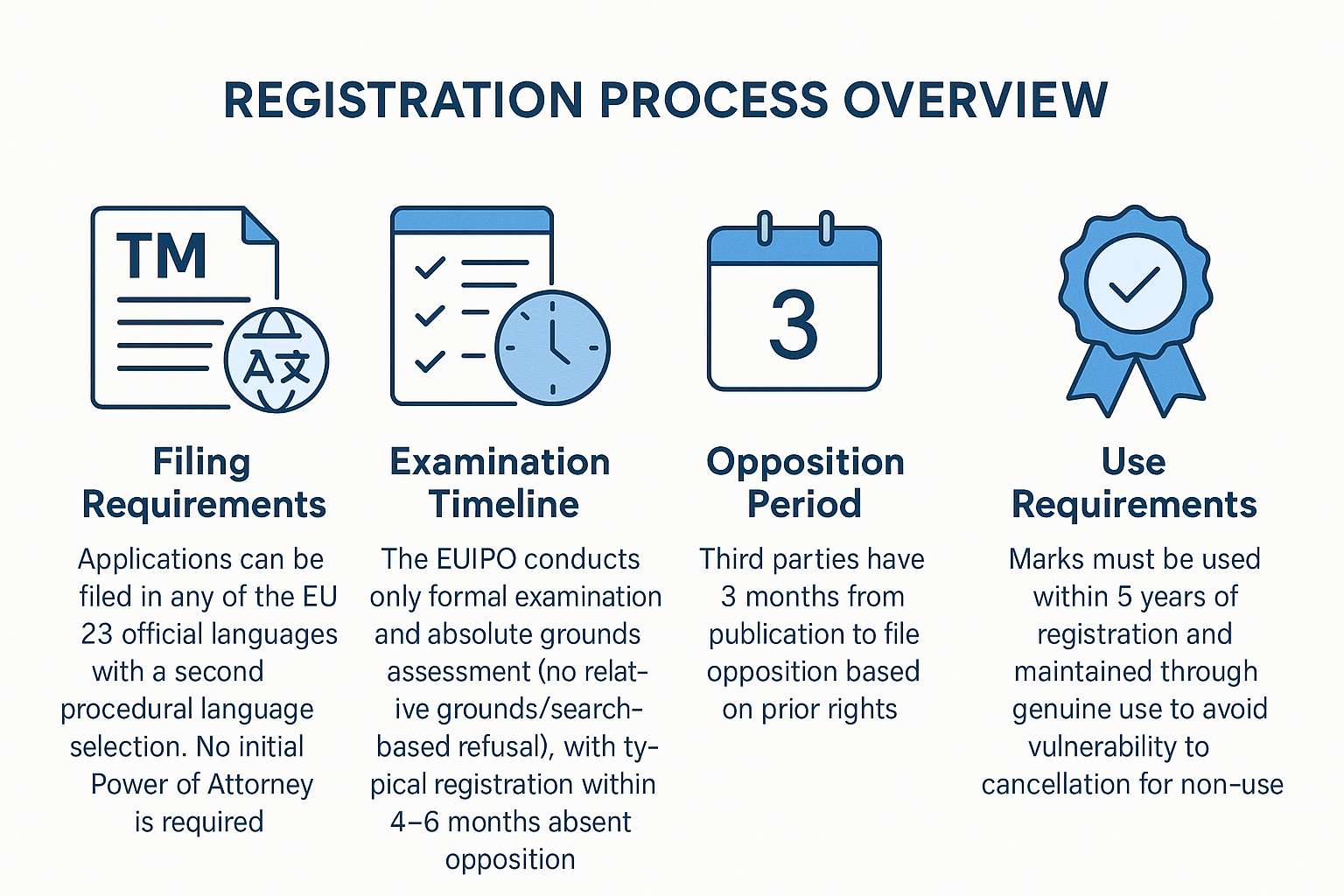
The European Union Intellectual Property Office (EUIPO) offers one of the world's most efficient registration systems, providing protection across 27 member states through a single application. This unitary system is particularly valuable for social media protection given the borderless nature of digital infringement.
Key Advantages for Digital Brands:
- Unified Protection: A single registration covers all EU markets where social media content inevitably circulates
- Streamlined Enforcement: Rights are enforceable consistently across member states, simplifying cross-border infringement actions
- Modern Classification: The system accommodates digital goods, virtual services, and emerging technology categories
EU Trademark Registration Process Overview:
Canadian Trademark Registration: First-to-Use Nuances
Canada's trademark system combines common-law principles with modernized legislation, presenting unique considerations for digital brands.
Distinctive Features:
- First-to-Use Priority: Rights ultimately belong to the first entity using the mark in Canadian commerce, though registration provides significant procedural advantages
- Processing Timeline: Approximately 24-32 months from filing to registration, reflecting more substantive examination than the EU system
- Use Declaration Requirements: Applications based on proposed use require a Declaration of Use before registration issues
- Renewal Simplicity: 10-year terms with unlimited renewals, without proof of use required at renewal
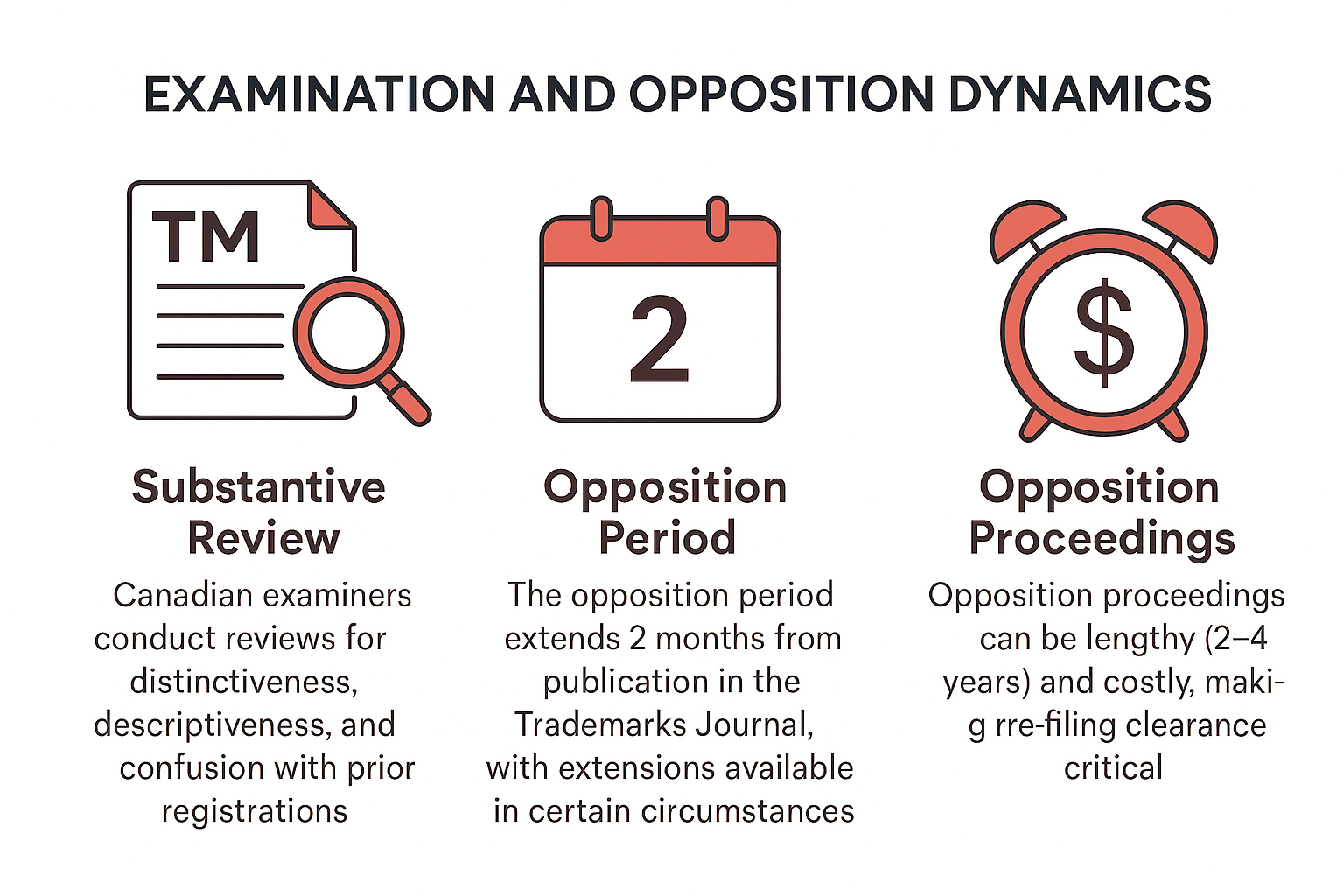
Integrated Registration Strategy for Social Media Protection
- Platform Enforcement Leverage: Registered trademarks carry significantly more weight in social media takedown requests. Platforms are more likely to act swiftly when presented with registration certificates rather than common law claims.
- Jurisdictional Coverage Matching Digital Footprint: Analyze your social media audience demographics to prioritize registration in jurisdictions with high engagement. The EU and Canada consistently rank among top markets for major platforms.
- Classification Strategy for Digital Services: Carefully select Nice classifications covering digital goods (class 9), online services (classes 35, 41, 42, 45), and emerging categories like virtual goods and NFTs. Consider both current offerings and planned expansions.
- Defensive and Monitoring Registration: In addition to core marks, consider registering common misspellings, phonetic equivalents, and logo variations that infringers might exploit on social media. These defensive registrations can streamline enforcement.
- International Treaty Utilization: Leverage the Madrid Protocol for cost-effective expansion beyond initial jurisdictions, but be mindful of its dependency on the basic application and limitations in classification specificity.
How Pellonia Help You Protect Your Trademark
In this complex landscape where digital threats evolve faster than legal frameworks can adapt, Pellonia serves as your strategic partner in comprehensive trademark protection. We bridge the gap between traditional intellectual property law and the realities of digital brand management, offering integrated solutions that address threats across platforms, jurisdictions, and technologies.
At Pellonia, we've built our practice around these principles. We don't just file trademarks or send takedown notices, we develop integrated protection ecosystems that grow with your brand and adapt to the digital landscape. From initial registration in key markets like the EU and Canada to 24/7 monitoring across evolving platforms, from rapid response protocols to strategic legal escalation, we provide the comprehensive protection modern brands require.
Your trademark represents decades of investment, countless customer interactions, and immeasurable brand equity. In the digital age, protecting this asset requires more than periodic legal review, it demands continuous, integrated, technologically-informed strategy. As social media platforms continue to evolve and new digital frontiers emerge, proactive protection becomes not just a legal necessity but a core business imperative.
Frequently Asked Questions
Q: How quickly can social media trademark infringement damage my brand?
A: Viral content can reach millions within hours, with significant reputational and financial impacts occurring in days. Studies show that false brand associations can reduce purchase intent by up to 40% within 48 hours of exposure. This speed makes pre-emptive protection and rapid response capabilities essential.
Q: Can I protect sounds or other non-traditional trademarks on social media?
A: Absolutely. Sound marks, motion marks, color combinations, and even distinctive product packaging can be registered and protected. The key is establishing distinctiveness through consistent use and consumer recognition. Platform enforcement for non-traditional marks can be more challenging but is increasingly supported as these elements become more common in digital branding.
Q: What's the difference between fair use and infringement on social media?
A: Fair use typically covers commentary, criticism, parody, and news reporting. The distinction often hinges on factors like commercial nature, likelihood of confusion, and effect on the market for the original. Parody accounts with clear disclaimers and no commercial activity are more likely protected than accounts that impersonate or create consumer confusion. However, these determinations are fact-specific and legally complex.
Q: Can small businesses afford effective trademark protection?
A: Yes, through scalable solutions. Start with registration in core markets, basic monitoring on primary platforms, and clear usage guidelines. As the business grows, protection can expand accordingly. Many damage scenarios that could cripple a small business can be prevented with modest upfront investment.
Begin transforming your trademark protection strategy for the digital age. Contact us for a comprehensive assessment of your current protections and vulnerabilities, or to develop a proactive strategy tailored to your brand's unique footprint and risk profile. Your brand's digital future deserves protection that's equally forward-looking.
Let Pellonia be your guide and partner in building trademark resilience for tomorrow's challenges.


