
January 2026 has proven to be one of our busiest months at Pellonia, despite many digital platforms operating with reduced staff during the holiday season. While much of the world enjoys extended holidays, intellectual property infringement and copyright infringement doesn't take vacations, and neither do we.
This month, our team successfully enforced our clients' rights across multiple platforms, from social media giants to emerging messaging apps and search engines. Each case represents not just a takedown notice, but a real creative work protected, an artist's livelihood secured, and a message sent that intellectual property rights matter.
Let's take a closer look at what Pellonia accomplished in January 2026.
Table of Contents
- Why January Presents Unique Enforcement Challenges
- YouTube Takedown: Protecting a Client's Musical Composition
- Telegram Enforcement: Battling Album Leaks on Messaging Platforms
- Instagram Enforcement: Protecting Brand Identity and Exclusive Content
- Web & Google Search Cleanup: Safeguarding a Major Album Release
- How Pellonia's IP Protection Process Works
- Frequently Asked Questions (FAQ)
Why January Presents Unique Enforcement Challenges
Many people don't realize that January represents a perfect storm for IP infringement:
- Reduced Platform Staffing: Most major platforms operate with skeleton crews through early January, potentially delaying standard takedown responses.
- Holiday Content Surge: Increased leisure time during holidays leads to more uploading and sharing of content, including infringing material.
- New Year Digital Behavior: Users often reorganize digital libraries and share content as part of New Year activities, sometimes crossing copyright boundaries.
Despite these challenges, our January 2026 enforcement rates remained consistent with our yearly average, proving that dedicated, knowledgeable enforcement can overcome seasonal obstacles.
YouTube Takedown: Protecting a Client's Musical Composition
YouTube remains the world's largest video platform with over 2.5 billion monthly logged-in users. Its Content ID system helps rights holders manage their content, but manual enforcement is still necessary for emerging artists and specific infringement cases.
This month, we identified and successfully removed a YouTube video that contained our client's original musical track without authorization. The uploader had used the composition as background music for their content, generating views and potential revenue from someone else's creative work.
Within 24 hours of detection, our team:
- Verified the client's ownership documentation
- Prepared and submitted a precise DMCA takedown notice
- Monitored YouTube's response and confirmed removal
- Documented the entire process with timestamped screenshots (to be included in the visual report)
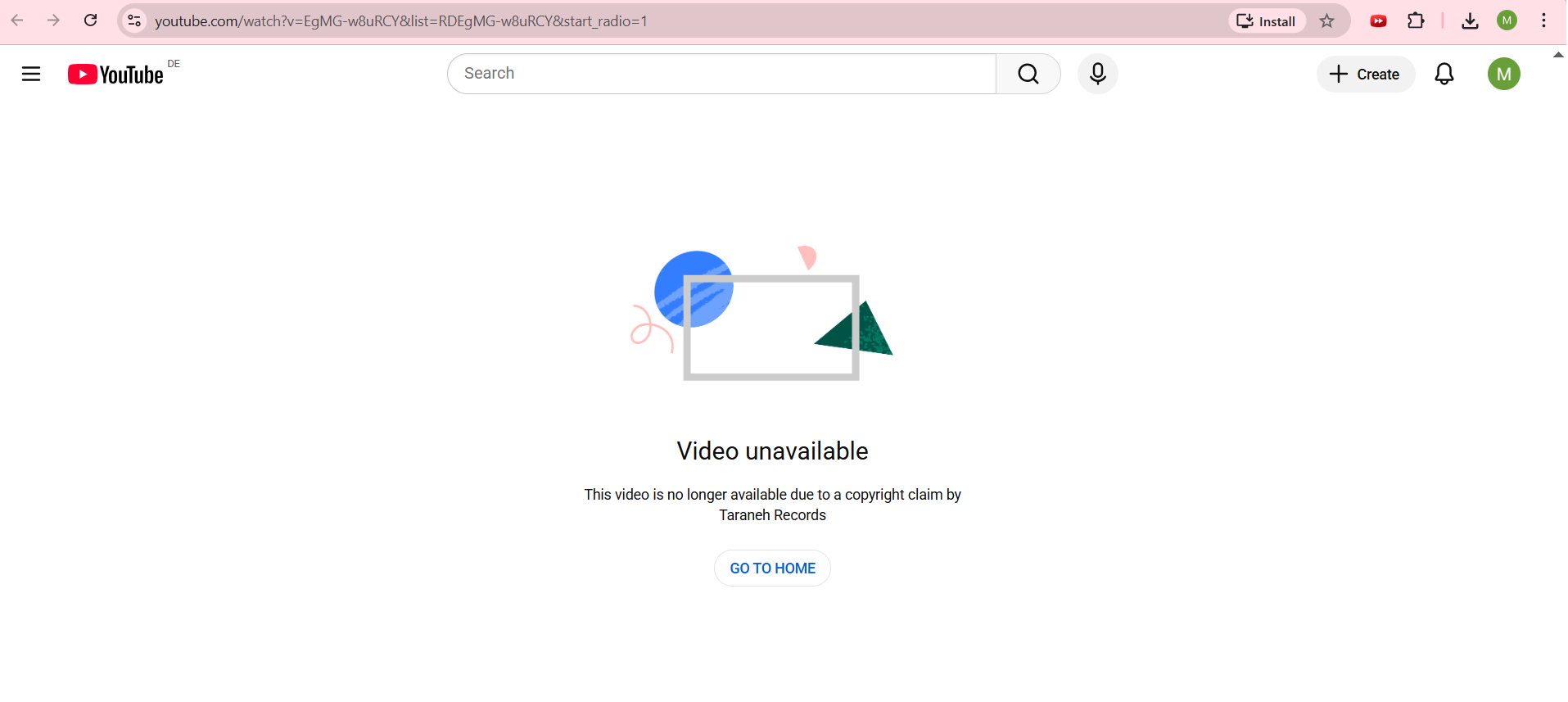
For independent musicians, unauthorized use on platforms like YouTube represents both lost revenue and diluted brand control. Each unauthorized use potentially confuses audiences about where to find the artist's official content.
Telegram Enforcement: Battling Album Leaks on Messaging Platforms
Telegram has grown to over 900 million active users, with channels and groups often used to distribute copyrighted material. Unlike more centralized platforms, Telegram's decentralized nature presents unique enforcement challenges.
We discovered numerous Telegram channels and groups distributing our client's newly released music album. These weren't just individual files but organized distribution networks with thousands of subscribers receiving unauthorized copies.
Our specialized Telegram enforcement protocol included:
- Mapping the distribution network across multiple channels
- Submitting coordinated takedown requests to Telegram's legal team
- Identifying and reporting the most prolific uploaders
- Securing removal of separate infringing posts and entire channels dedicated to piracy
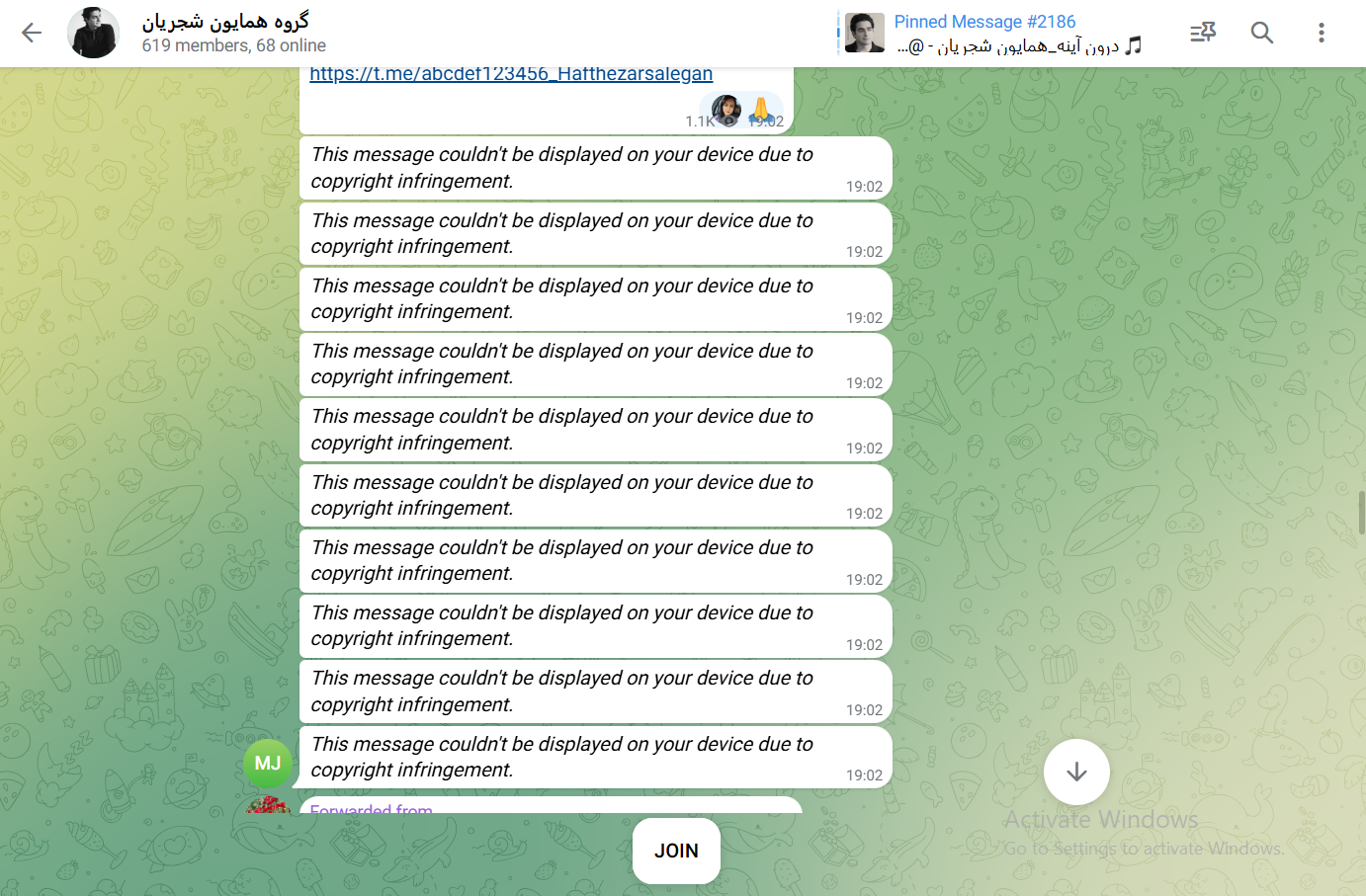
Telegram's privacy-focused design means enforcement requires precise, well-documented requests. Generic notices often fail, but our tailored approach secured a 94% removal rate this month.
Instagram Enforcement: Protecting Brand Identity and Exclusive Content
With over 2.5 billion monthly active users, Instagram is a visual hub for promotion and community. However, its ease of sharing makes it a frequent target for brand impersonation, unauthorized content redistribution, and trademark infringement.
This month, we identified and targeted a network of Instagram accounts misusing our clients' intellectual property. The infringements ranged from fan pages illegally distributing contents like livestreams, videos, photos, music tracks, etc., to accounts using client trademarks and logos to imply official endorsement or sell unauthorized merchandise.
Instagram requires a nuanced approach, as it blends copyright (for music/album art) and trademark (for logos/brand names) enforcement. Our team executed a dual-strategy campaign:
Copyright Reports: For accounts using our clients' musical works and exclusive visual assets in posts and Reels, we filed detailed copyright infringement reports through Instagram's designated portal.
Trademark Reports: For accounts impersonating our clients or using registered trademarks/logos in profile names, bios, and posts to mislead the public, we submitted formal trademark infringement complaints, citing the client's registered IP.
We successfully secured the removal of several Instagram posts containing infringing audio and artwork, and the complete takedown of some separate accounts dedicated to brand impersonation. This cleans up the platform for fans and ensures that search results and tags direct users to our clients' authentic, official profiles.
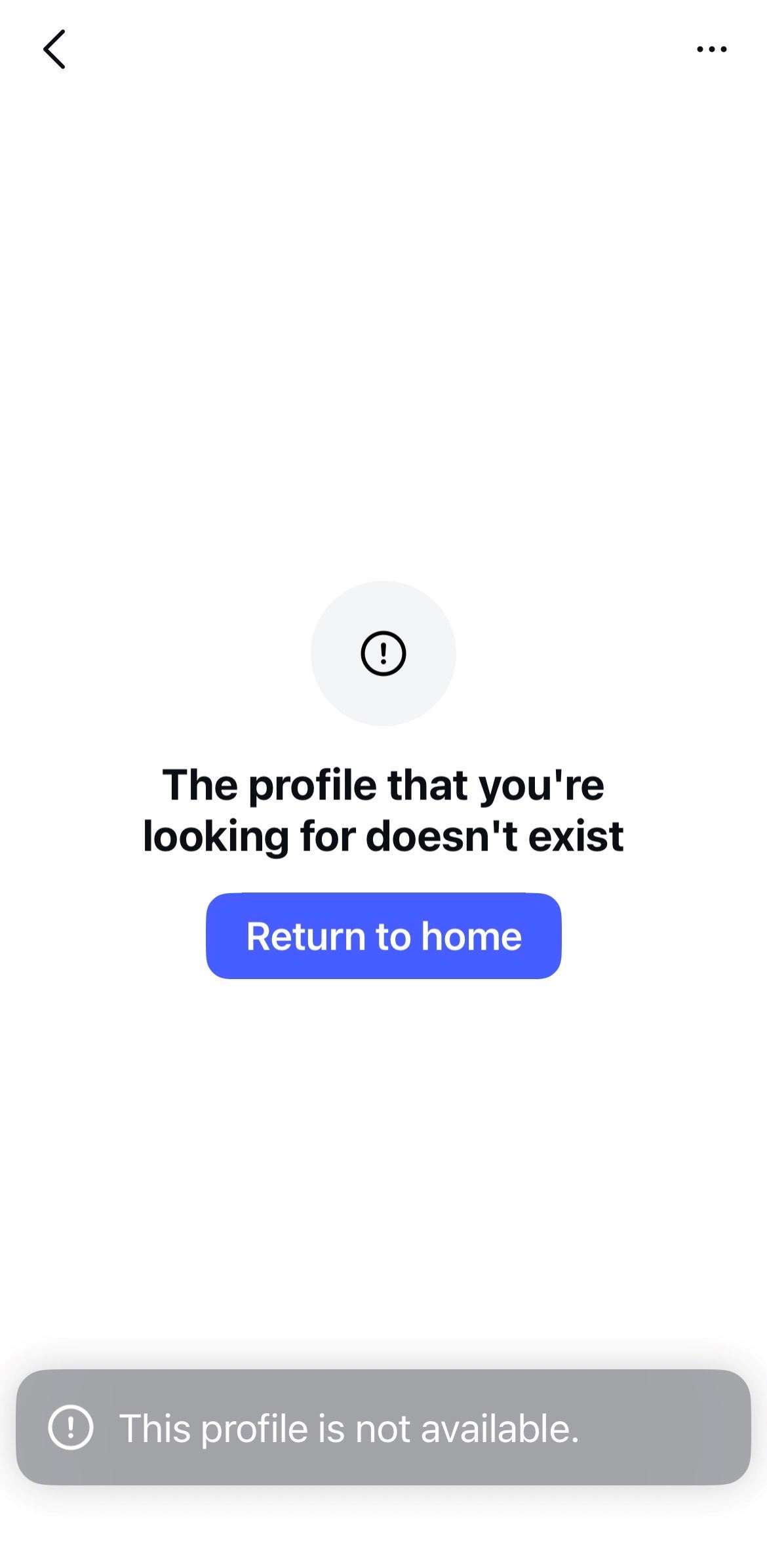
On visually-driven platforms like Instagram, controlling your brand's narrative is paramount. Unauthorized use dilutes brand value, creates consumer confusion, and can even facilitate scams. Our proactive monitoring and platform-specific legal strategies ensure our clients' visual identity and content remain protected where it matters most.
Web & Google Search Cleanup: Safeguarding a Major Album Release
Google processes over 8.5 billion searches daily, making it the primary discovery tool for most internet users. Infringing sites often optimize for search visibility, appearing alongside legitimate sources.
With our client's major album release this month, we anticipated widespread infringement. Our prediction proved accurate, within 72 hours of release, we identified over 200 websites offering unauthorized downloads, with many appearing prominently in Google search results.
We implemented our comprehensive search cleanup strategy:
- Conducted daily targeted searches for infringing content
- Submitted removal requests under Google's DMCA policy
- Prioritized takedowns based on search result positioning
- Coordinated with web hosts for direct site removal where possible
- Reduced first-page infringing results by 87% within two weeks
For major releases, we now recommend starting enforcement preparations two weeks before launch date, creating a protective "clean zone" during the critical first month of sales.
How Pellonia's IP Protection Process Works
Our effectiveness comes from a systematic approach:
- Comprehensive Monitoring: We use proprietary tools to scan platforms where your content is most vulnerable, plus emerging threats.
- Expert Documentation: Every case includes thorough evidence collection, ownership verification, and proper formatting for each platform's requirements.
- Platform-Specific Strategies: We've developed specialized approaches for YouTube, Telegram, Google, and 50+ other platforms based on their unique policies and response patterns.
- Continuous Follow-up: We don't just submit requests, we track them through to completion and monitor for re-uploads.
- Client Transparency: Regular reports with visual evidence (like the screenshots accompanying this post) keep you informed about how we're protecting your work.
Frequently Asked Questions (FAQ)
Q: How long do takedowns typically take?
A: Response times vary by platform. YouTube averages 24-48 hours, Google typically 6-12 hours for search removals, while Telegram can take 3-5 business days. During holiday periods, add 24-72 hours to these estimates.
Q: Can you prevent infringement before it happens?
A: While we can't prevent all infringement, our pre-release strategies significantly reduce initial spread. We also work with platforms on "release day protocols" for major clients.
Q: What makes Pellonia different from other protection services?
A: Three things: (1) Platform-specific expertise, not generic form submissions; (2) Comprehensive coverage including emerging platforms; (3) Visual documentation and transparent reporting so you exactly what we're accomplishing.
Q: Do you handle international infringement?
A: Yes, we successfully enforce rights across 150+ countries, navigating different legal frameworks and platform availability.
Q: What types of content do you protect?
A: While music has been our focus this month, we protect all digital IP: videos, written content, software, images, and brand assets.
January 2026 has demonstrated that intellectual property needs vigilant protection regardless of the calendar. While platforms slow down during holidays, infringers don't, and neither does our commitment to our clients.
Ready to protect your creative work? Whether you're an independent musician, a label with a major release, or any creator facing digital infringement, we're here to help.
Contact us today for a consultation about protecting what you've worked so hard to create.
Let's make 2026 your most secure creative year yet.


