
Protecting Your Music Online: DMCA, Abuse, and AI
If you are a musician, podcaster, or content creator, your relationship with the internet is complicated. On one hand, digital platforms offer unprecedented access to global audiences. On the other, they expose your work to piracy, unauthorized use, and even exploitation by artificial intelligence.
At the center of this digital ecosystem is the Digital Millennium Copyright Act (DMCA). Passed in 1998, this US law was designed to protect copyrighted materials online while providing "safe harbor" to platforms that comply with takedown requests. However, the law is aging, and the threats are evolving. Today, musicians face not only traditional piracy but also DMCA abuse, where bad actors file false claims, and the rise of generative AI, which scrapes the internet for training data.
At Pellonia, we bridge the gap between outdated laws and modern threats. We don't just file paperwork; we actively patrol the internet, enforce your rights, and remove infringing content, often within 48 hours. This guide will walk you through everything you need to know about music copyright, from the basics of the DMCA to the complexities of AI, and show you how we turn legal protection into real-world results.
Table of Contents
- What is the DMCA? A Modern Overview
- How the DMCA Affects Musicians and Podcasters
- The Rise of DMCA Abuse and Its Consequences
- Fair Use, Myths, and Misconceptions
- Protecting Your Music in the Age of AI
- How Pellonia Enforces Your Rights
- Frequently Asked Questions (FAQ)
What is the DMCA? A Modern Overview
The Digital Millennium Copyright Act (DMCA) is an American law enacted in 1998 to address copyright infringement in the digital space. It provides a legal framework for copyright holders to protect their works by issuing "takedown notices" to online platforms. If a platform complies with these notices, they are generally shielded from liability under the "safe harbor" provisions.
While the law is American, its reach is global. Any platform with servers in the US, or any international company operating within the US jurisdiction, must adhere to its rules. This means that for anyone putting content online, whether it's a song, a podcast episode, or a photograph, the DMCA is the law of the land.
However, the system is far from perfect. The sheer volume of content uploaded daily makes it difficult for platforms to verify the legitimacy of every claim. This has led to a phenomenon known as DMCA abuse, where false or malicious takedown notices are filed against content the filer does not own.
How the DMCA Affects Musicians and Podcasters
For musicians and podcasters, the DMCA is a double-edged sword. It gives you the power to protect your work, but it also requires you to be vigilant.
For the Creator:
If you use a copyrighted song, audio clip, or even a short sample in your podcast or track without permission, the copyright owner can issue a takedown notice. The platform (Spotify, Apple Podcasts, YouTube, etc.) is then legally obligated to remove your content. Accumulate enough of these "strikes," and your entire channel or show can be removed permanently.
A critical nuance here is ownership. Song licenses are often owned by record labels or management companies, not the artists themselves. Even if an artist gives you a verbal thumbs-up, you still need written permission from the legal rights holder.
For the Protector:
Conversely, the DMCA allows you to issue takedown notices against those who steal your music. Whether it's an illegal download site, a YouTube channel using your track as background music, or a podcast repurposing your album, you have the right to have that content removed.
The Rise of DMCA Abuse and Its Consequences
While the DMCA was intended to protect artists, the incentive structure has led to widespread abuse. Filing a takedown notice is easy, and the system often lacks verification. Malicious actors, competitors, or even automated systems can file false claims with little to no evidence.
Why is this so common?
- Low Barrier to Entry: Under the current system, a filer is typically not required to prove ownership immediately. This makes it easy for anyone to submit a claim.
- Platform Algorithms: Systems like YouTube's Content ID are powerful but overly aggressive. They often flag content that falls under "fair use," such as remixes, mashups, or critical commentary, leading to wrongful demonetization or removal.
- The "Three Strikes" Leverage: Knowing that creators fear losing their channels, bad actors use false claims as leverage, hoping the creator won't challenge them.
The Impact on Artists:
For independent and small artists, DMCA abuse can be devastating. A wrongful takedown can mean lost revenue, damaged reputation, and a lengthy, expensive legal battle to restore their work. Many simply lack the resources to fight back, leading to a culture where the guilty prosper and the creators are silenced.
Fair Use, Myths, and Misconceptions
When discussing copyright, two major misconceptions often arise: Fair Use and the mythical 30-Second Rule.
The "30-Second Rule" (Debunked)
There is a common myth that using a sound or clip under 30 seconds is safe from copyright claims. This is false. Copyright claims can be issued on any unauthorized use of material, regardless of its length. Even a one-second sample is still someone's intellectual property.
What is Fair Use?
Fair Use is a legal doctrine that allows limited use of copyrighted material without permission for purposes such as criticism, comment, news reporting, teaching, scholarship, or parody. It is a defense you raise in court, not an automatic right.
Because Fair Use is determined on a case-by-case basis by judges, relying on it is risky. Your content can still be flagged and removed by automated systems. If you believe your use qualifies as Fair Use, be prepared to argue your case with legal help.
Protecting Your Music in the Age of AI
The rise of generative AI presents a new frontier for copyright law. AI models are trained on massive datasets, often scraped from the public internet. If your music is available online, it could be used to train AI systems without your consent, raising serious questions about remuneration and creative control.
Key principles for the AI age include:
- Consent: Musicians must have the right to decide whether their work is used to train AI.
- Transparency: AI companies should be legally required to disclose their training datasets.
- Digital Replicas: Artists must be protected from AI-generated content that imitates their voice, style, or likeness without permission.
To protect yourself, ensure your music has clear metadata, consider using technical protections like
robots.txt on your website to limit scraping, and always read the Terms of Service on platforms
before uploading. If a platform claims a license to use your content for AI training, you need to know about it.
How Pellonia Enforces Your Rights
Knowing the law is one thing; enforcing it is another. At Pellonia, we provide end-to-end protection, handling the complex, time-consuming work of copyright enforcement so you can focus on creating.
Here is our proven process:
Step 1: Securing Your Foundation
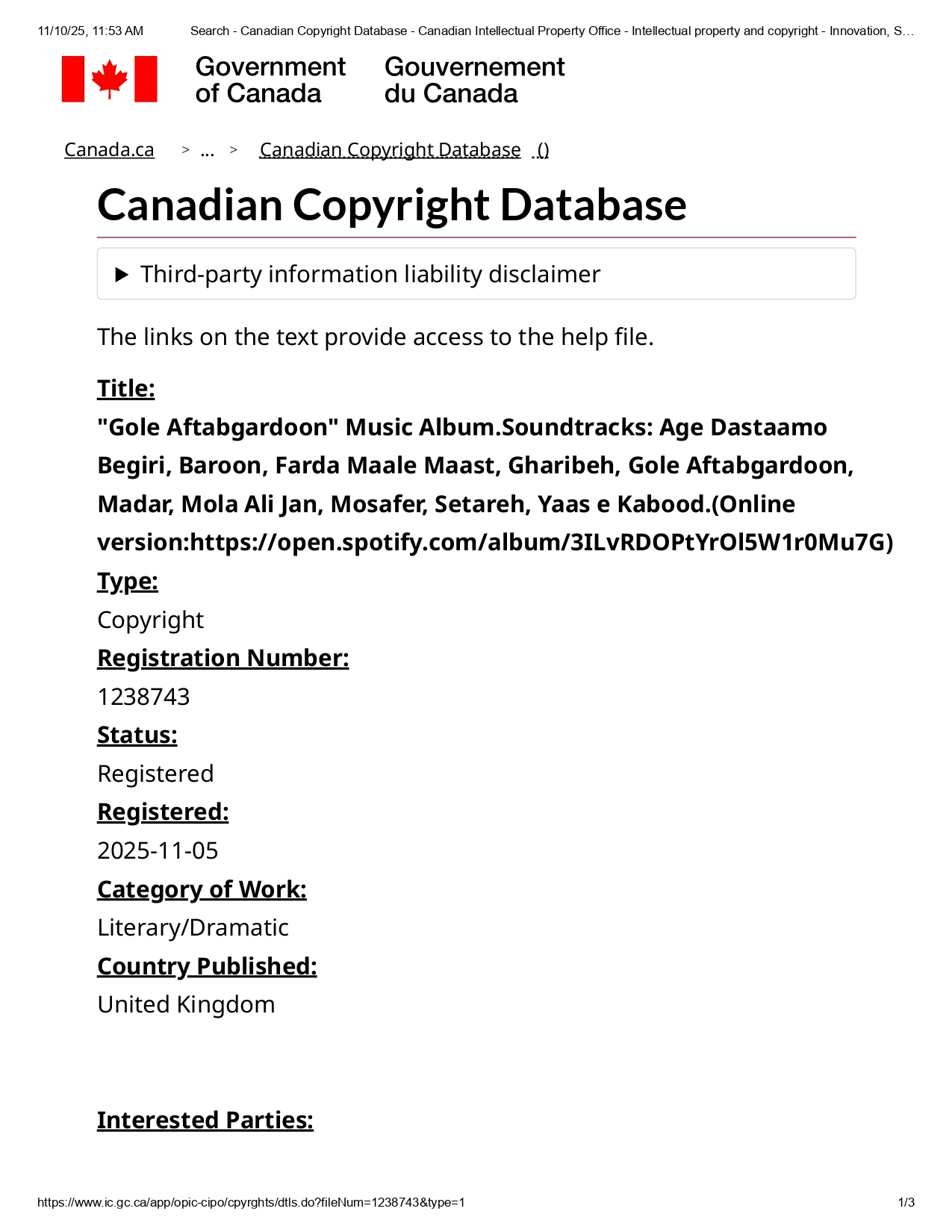
Before we can fight for you, we need to establish your ownership. We handle the registration of your intellectual property, securing your rights at the foundational level. Recently, we assisted a major artist in securing their album copyright in Canada.
Step 2: Proactive Infringement Detection
Once your rights are secure, we deploy monitoring tools to scan the web. We search Google, streaming sites, and illicit platforms to find unauthorized uses of your music.
Step 3: Rapid Enforcement & Takedowns in 48 Hours
We don't wait. Our team immediately files DMCA takedown notices for every verified infringement. We promise action within 24-48 hours (See here). We then monitor the process to ensure the content is removed.
The result? Infringing pages are wiped from the internet.
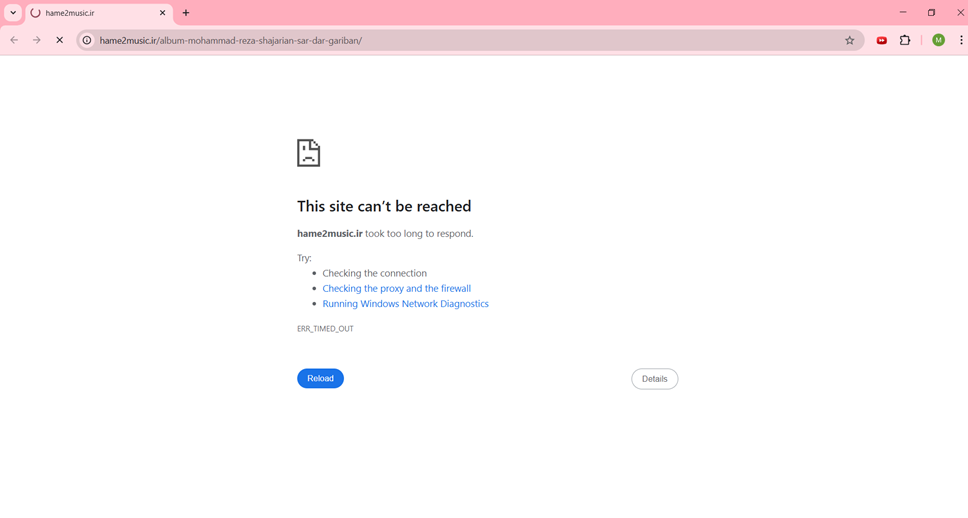
Our client dashboard keeps you informed. You can track every URL we've reported and see the status of each claim. In a recent campaign for a famous singer, every single URL we reported was approved and taken down.
.png)
Step 4: Beyond the Web - Policing Social Channels
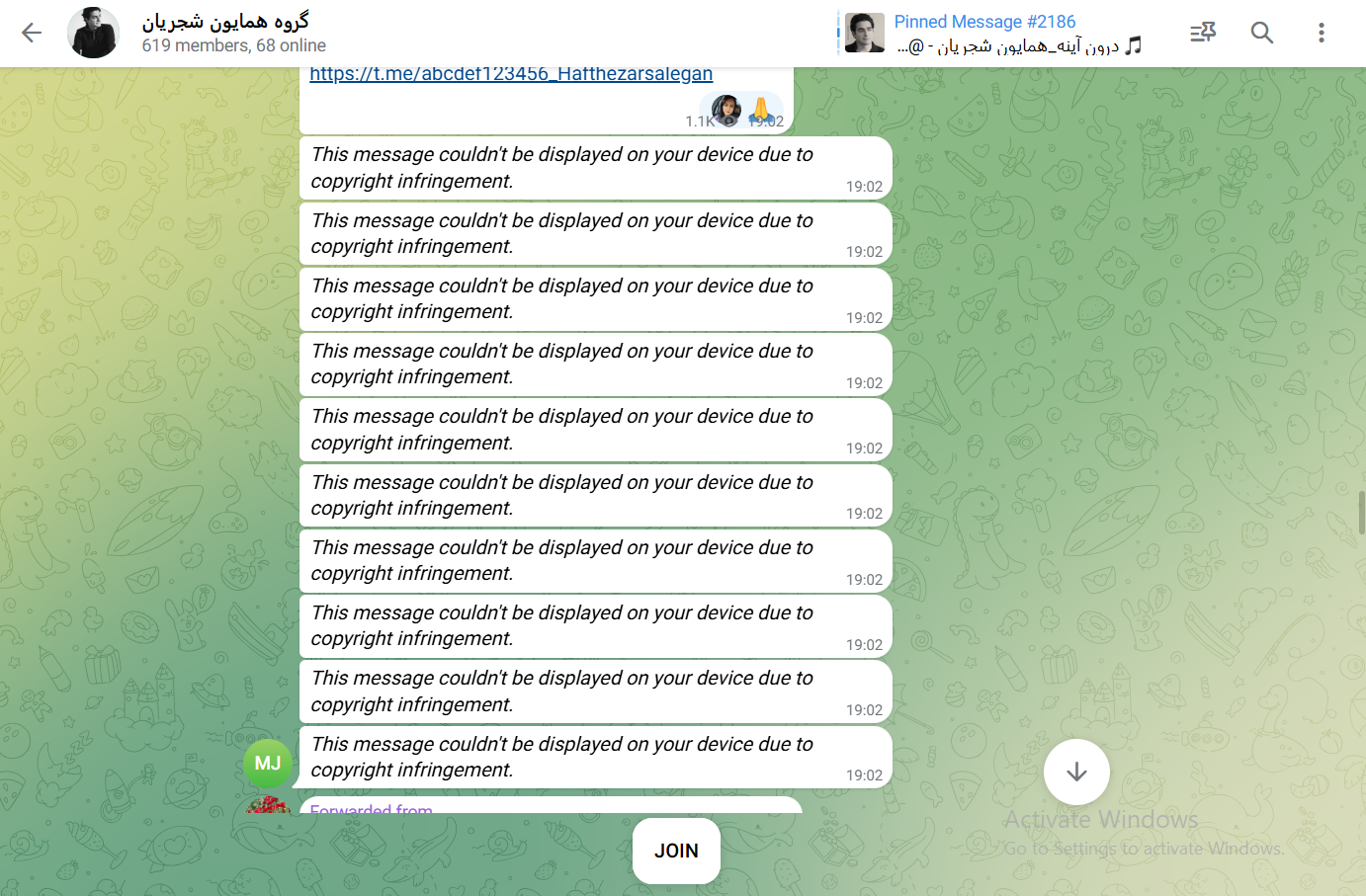
Infringement extends beyond websites. Social media and messaging apps are hotbeds for unauthorized distribution. We actively monitor and take down infringing content on platforms like Telegram. We recently identified and removed numerous posts in private channels that were distributing a famous singer's album.
Frequently Asked Questions (FAQ)
Q: Can I use any music if I give credit to the artist?
A: No. Giving credit does not replace the need for permission. You must have explicit consent from the copyright owner to use their music.
Q: How does Content ID work, and why does it sometimes make mistakes?
A: Content ID is YouTube's automated system that scans uploads against a database of copyrighted material. While efficient, it is a "double-edged sword." It often fails to recognize context, such as fair use, leading to wrongful claims against remixes, covers, and critical reviews.
Q: What is a "digital replica," and how can I stop it?
A: A digital replica is an AI-generated simulation of a person's voice, image, or performance. It is an emerging threat. Protecting against it requires vigilance and legal action. Pellonia stays at the forefront of this technology to help you defend your unique identity.
Q: What should I look for in a platform's Terms of Service?
A: Look for clauses that grant the platform a license to "use, reproduce, modify, adapt, and process your music" for purposes like "training artificial intelligence." If you see this language, you are granting them permission to use your work for AI development.
The digital age is a time of immense opportunity for musicians, but it is also a time of significant risk. From outdated DMCA laws and rampant abuse to the unregulated frontier of AI, the threats to your intellectual property are constant and evolving.
You cannot afford to be passive. Your music is not just art; it is your livelihood and your legacy.
Don't fight this battle alone. Contact us today.
With Pellonia, you gain a dedicated partner in protecting your rights. We move fast, enforce relentlessly, and provide the peace of mind that comes from knowing your work is secure. From securing initial copyrights to scrubbing infringements from the web and social channels, we ensure you get paid for your work.


